Generator Installation Services in Tampa, FL: How to Keep Your Home Powered During an Outage

Power outrage can happen anytime. This can cause mess during summers and even winters. A home backup generator gives another source of power when the utility supply stops. Professional generator installation services in Tampa, FL help homeowners pick the system, connect it safely and ready their homes for unexpected outages.
What Does Professional Generator Installation Involve?
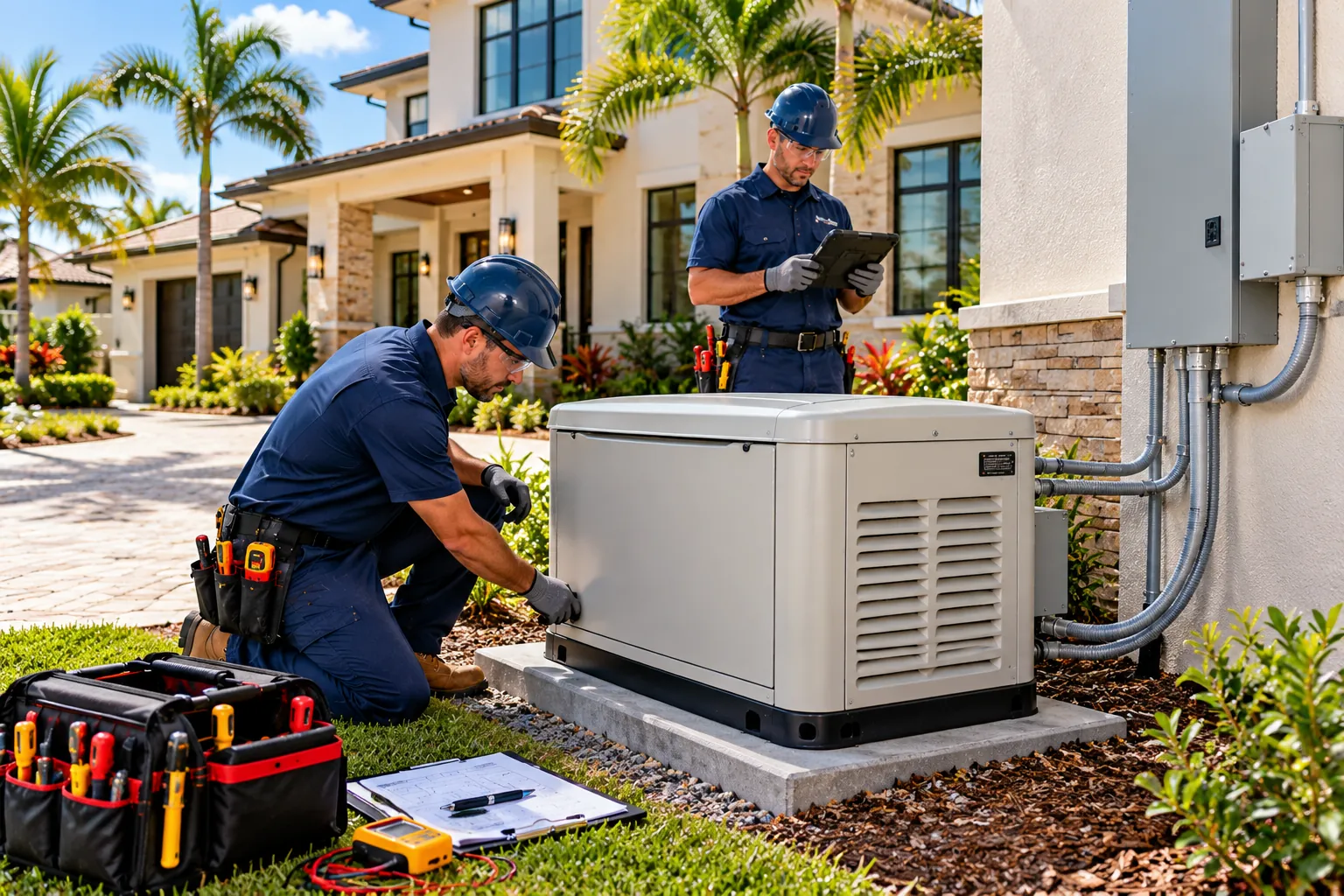
Professional installation does more than put a generator outside the house. The generator system must be sized correctly connected, placed and tested to ensure operation.
Evaluating Your Home’s Power Requirements
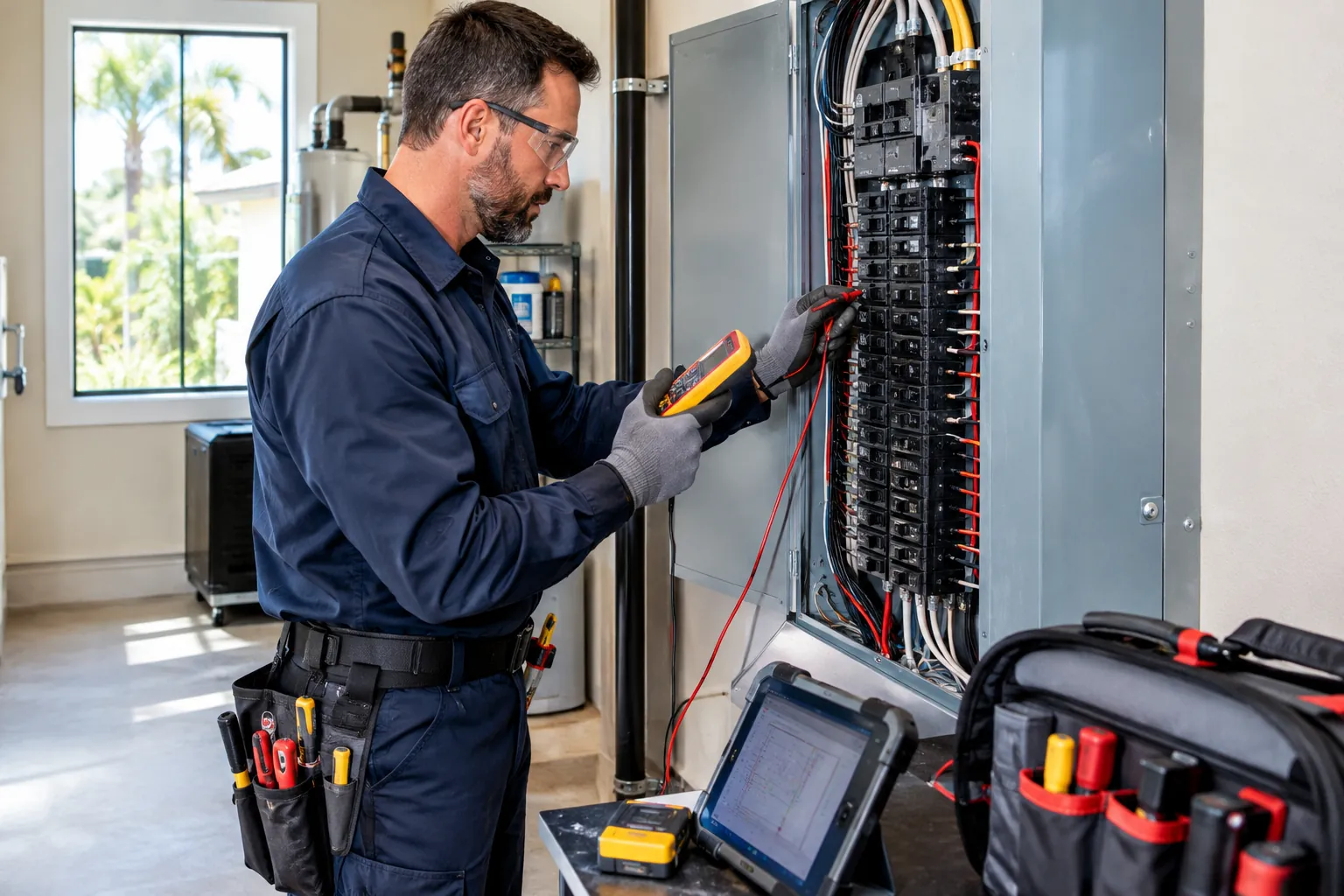
The installer checks your panel, major appliances and key circuits. The starting needs of equipment like air conditioners can be very different from running needs. Knowing these demands helps decide how much generator capacity your home requires.
Choosing the Right Generator Size and Fuel Source
Generator capacity is chosen based on the loads you want to run. A smaller generator may power refrigeration, lighting and a few outlets while a larger generator may be needed for equipment. Fuel options can be gas, propane or gasoline depending on the generator type and property conditions. Fuel availability, storage needs, operating time and local rules should all be considered before deciding.
Installing the Transfer Switch and Electrical Connections
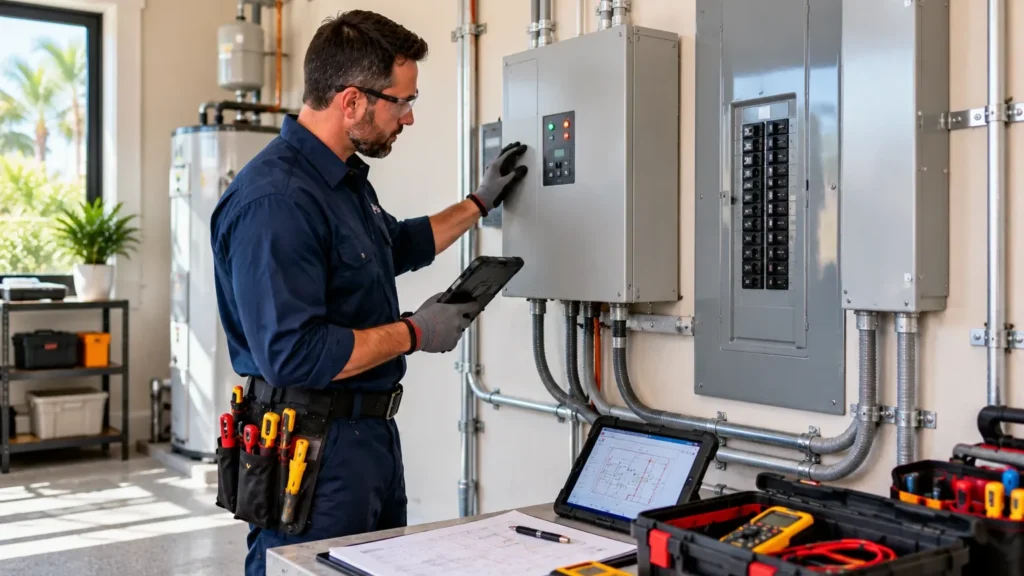
A transfer switch safely cuts the home’s system from the utility supply before generator power is connected. The installer selects the equipment and finishes the necessary electrical connections. Proper installation stops review and support the operations. electrical work should be done by professionals following the codes and instructions.
Testing the Generator for Safe and Reliable Operation
Once the installation and generator system should be tested to confirm the transfer power and support. The installer may also explain how to operate, maintain and evaluate the system. Homeowners should know how the generator behaves during an outage and who to contact if a warning light, odd sound or performance problem shows up.
Why Professional Generator Installation Is Safer Than DIY Installation
Generator installation includes connections, fuel systems, combustion equipment and possibly hazardous exhaust gases. Mistakes can cause shock, fires, fuel leaks or carbon monoxide poisoning.
Professional installers know how to position the generator, connect the transfer switch, follow rules and verify operation. They can also help decide if permits or inspections are needed.
Portable generators pose risks if used incorrectly. Never run a fuel-powered generator inside a home, garage, shed or enclosed space.
Keep it outdoors and at least 20 feet from the home when possible with exhaust pointed away from doors, windows and air intakes. Follow the manufacturer’s instructions and local safety guidance. Professional installation reduces these risks. Gives homeowners a clearer view of how to operate and maintain their backup power system.
How to Prepare Your Tampa Home for Hurricane Season and Power Outages
Preparing for hurricane season can help you respond better when severe weather comes your way. Start by looking at your household’s power needs. Make sure your generator can handle the devices you plan to use during an outage.
If you have an installed generator, keep the space around it free of plants and trash. Follow the maker’s instructions for care. Get it serviced before storm season starts.
For generators check them as the manual says. Store fuel safely where allowed. Use extension cords that are rated for the load you need. Never add fuel to a generator that’s hot or still running.
It’s also smart to have flashlights, extra batteries, bottled water and emergency items on hand. If anyone in your home uses equipment, talk to the equipment provider and your doctor about a backup plan.
What Factors Influence Generator Installation Costs in Tampa, FL?
Installation costs change based on the system and the work needed at your home. There are some major factors include:
- Generator size
- Generator type
- Fuel connections
- Electrical upgrades
- Installation location
- Inspections
Ask for an estimate that breaks down the equipment, the work, electrical parts and any extra costs. Comparing estimates that are based on the details helps you see what each installer offers.
How to Keep Your Generator in Good Shape After Installation
Staying on top of maintenance keeps your generator ready to run when you need it. Follow the maker’s schedule. Keep records of every check, repair and service. There are important steps which include:
- Look for cracks, leaks, rust or blocked air vents.
- Keep the area around the generator clean and easy to reach.
- Run it as the manual says including testing.
- Change oil, filters, batteries and other parts on time.
- Watch for warning lights. Get help if the generator won’t start or runs oddly
- Store fuel for generators safely and use it as directed.
Standby units may run self-tests. Those don’t take the place of scheduled maintenance. Try to get service before hurricane season begins.
FAQs
What Size Generator Do I Need for My Home?
The right size depends on what appliances and circuits you want to run once. A professional can figure out your power needs, including the startup needs of appliances and suggest the best generator size.
How Long Does Generator Installation Take?
It varies by generator type, site prep, fuel lines, electrical changes and permits. A simple job can take one day or a few days. Complex projects take longer. Your installer can give a timeline after checking the property.
Do I Need a Permit to Install a Generator in Tampa FL?
You might need a permit or inspection depending on the work electrical changes, fuel lines and local rules. Requirements can differ by area and address. Check with your permitting office and installer before starting.
How often should a home backup generator be serviced?
The answer depends on the type of generator, how hours it runs and what the maker says. Most standby generators need yearly maintenance but if they are used a lot they might need more frequent care. Always look at the service manual. Get a professional to check it when they say it.
Keep Your Home Ready With Professional Generator Installation Services in Tampa FL
Get ready for power cuts by having a backup power system that works for your house. hire professional help who look at your electricity demands, check different choices and set up installation.